
Gutter replacement may be the right choice when leaks, sagging sections, rust, or repeated repairs keep causing problems around your home. Small gutter issues can often be fixed, but an older or badly damaged system may no longer move rainwater away as it should.
Knowing the warning signs can help you decide when another patch is no longer enough. Here are some of the clearest signs that it may be time to replace your gutters rather than repair them again.
When Gutter Replacement Makes Sense
Not every gutter problem means you need a new system. A loose fastener, small hole, or clogged section may only need a simple gutter repair or cleaning.
The situation changes when damage affects several parts of the system. If you keep paying for repairs or notice new problems after each storm, a full gutter replacement service may offer a better long-term solution.
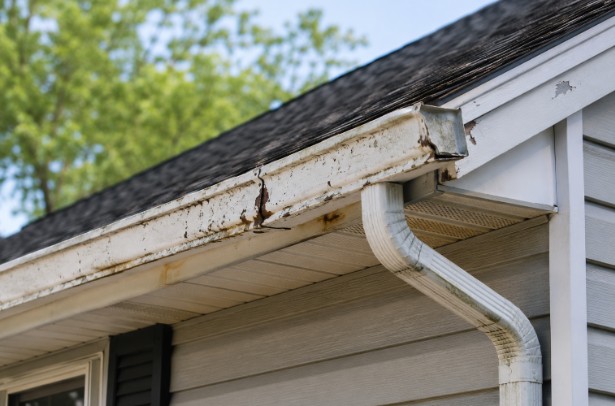
1. Cracks and Holes Keep Coming Back
Small cracks may seem harmless at first. However, even a narrow opening can allow water to leak onto siding, trim, landscaping, or areas near the foundation.
One repaired crack may not be a major concern. Several cracks across different gutter sections are a stronger warning. If new leaks continue to appear after repairs, replacement may be more practical than patching each problem.
Look for:
- Small splits along gutter sections
- Holes around joints or fasteners
- Water dripping from several areas
- Old patches that have started leaking again
2. Gutters Are Sagging or Pulling Away
Gutters should stay firmly attached along the edge of the roof. Sagging sections may retain standing water rather than directing it toward the downspouts. You may also notice gaps between the gutter and fascia board. Loose hangers, damaged fasteners, excess weight, or worn materials can all lead to this problem.
A short loose section may be repairable. When large parts of the system sag or pull away from the house, it may be time to consider replacement.
3. Gutter Replacement for Rust and Corrosion
Metal gutters can develop rust as they age. A small surface spot does not always mean the whole system must be replaced, but widespread corrosion is different.
Rust can weaken the metal and eventually create holes. Once corrosion spreads across several sections, repairs may only delay the problem. Check around seams, corners, fasteners, and downspout connections. These areas can show wear before the rest of the gutter becomes clearly damaged.
4. Water Is Overflowing During Rain
Water that regularly pours over the edge of your gutters deserves attention. Sometimes the cause is simply leaves or other debris blocking the flow. If the gutters are clean but still overflow, another issue may be present. The system could be poorly pitched, damaged, undersized, or unable to drain water correctly.
Watch the gutters during rainfall when it is safe to do so. Water should flow toward the downspouts rather than collect in low areas or spill over the sides.
5. You See Water Damage Around the Home
Gutter problems often leave signs below the roofline. Water may stain siding, damage exterior paint, soften wood trim, or collect around the base of the home.
Pay attention to:
- Peeling or bubbling exterior paint
- Dark water marks below the gutters
- Damaged fascia or trim
- Soil erosion near the house
- Puddles near the foundation after rain
These signs do not always prove that gutters are the only cause. However, they are good reasons to have the drainage system checked.
6. Gutter Replacement After Repeated Repairs
One repair can extend the life of a gutter system. Frequent repairs are another story. If you have sealed several leaks, replaced hangers, fixed joints, and adjusted sections but problems continue, those costs can begin to add up. At that point, replacing an aging system may make more sense than continuing to repair one weak spot after another.
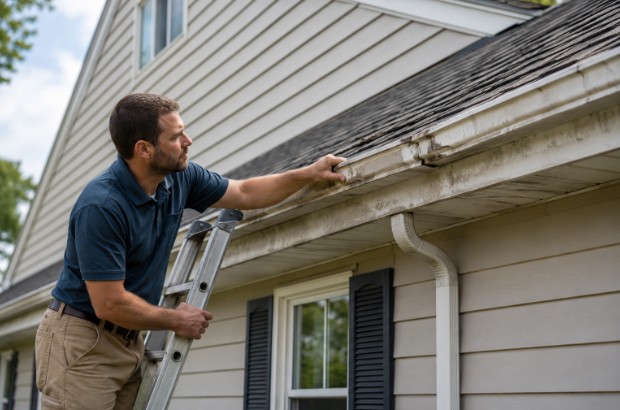
A professional can inspect the system and explain whether another repair is worthwhile or whether replacement is the better option.
7. Seams Keep Separating
Sectional gutters have joints where individual pieces connect. These seams can weaken over time and begin to separate. Loose seams allow rainwater to escape before it reaches the downspout. Sealant may provide a temporary fix, but repeated separation can indicate broader wear across the system.
If several joints are failing at once, full replacement can provide a more dependable drainage setup.
8. Gutters Look Bent or Misshapen
Bent gutters do more than affect the appearance of a home. Damage can change the path water takes through the system.
Dents, twisted sections, or gutters damaged by storms, ladders, falling branches, or age may prevent smooth drainage. Severe damage across several sections can be difficult to correct with small repairs.
FAQ About Gutter Replacement
How do I know if gutters need repair or replacement?
Minor damage in one small area may be repairable. Widespread rust, cracks, sagging, separated seams, or repeated leaks often make replacement a stronger option.
Should I replace gutters if they only leak?
Not always. A single leaking joint may only require repair. Multiple leaks throughout an older gutter system may point to larger problems.
Can damaged gutters affect other parts of my home?
Yes. Poor drainage can allow water to reach siding, fascia, landscaping, and areas near the foundation. Fixing gutter problems early can help limit further damage.
Should gutters be checked after a major storm?
Yes. Strong wind, falling branches, and heavy rain can loosen or damage gutters. An inspection can help identify problems before the next storm.
Know When Gutter Replacement Is the Better Choice
Old gutters do not need to be replaced because of one small flaw. The stronger warning is a pattern of damage, such as recurring leaks, sagging sections, rust, separated seams, and poor drainage.
If repairs are becoming frequent, a new system can give your home a fresh start and help rainwater move away more effectively.
Ready to Replace Worn Gutters?
Stop spending time on repairs that no longer solve the problem. California Gutter Co can help you learn about your options. Contact us to request an inspection. For more practical exterior home care tips, visit our blog.